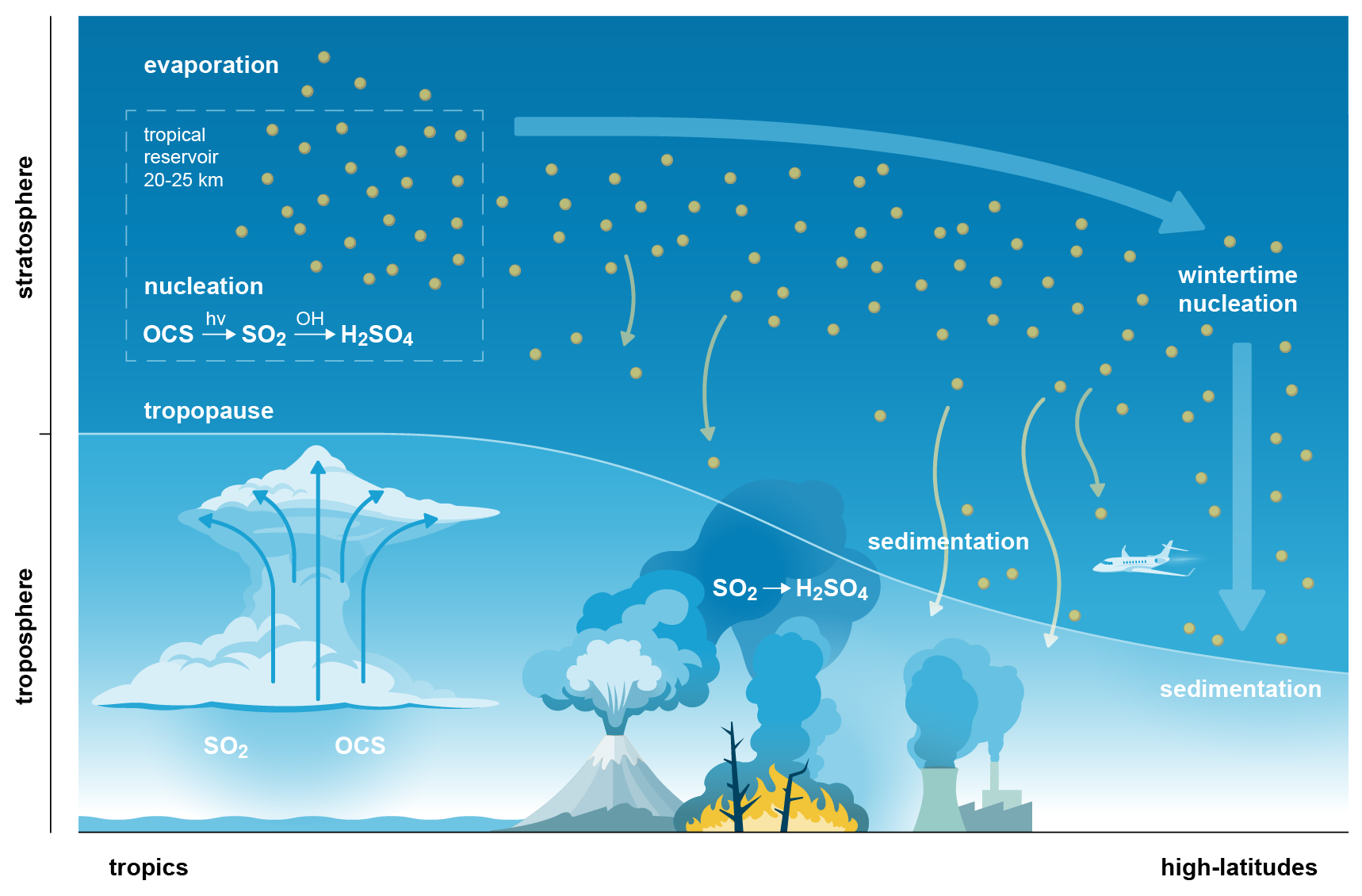
Aerosol Composition and Precursor Gases
Aerosols in the stratosphere and upper troposphere from volcanic eruptions or biomass burning are important forcers of climate change and a major source of uncertainty in climate predictions.
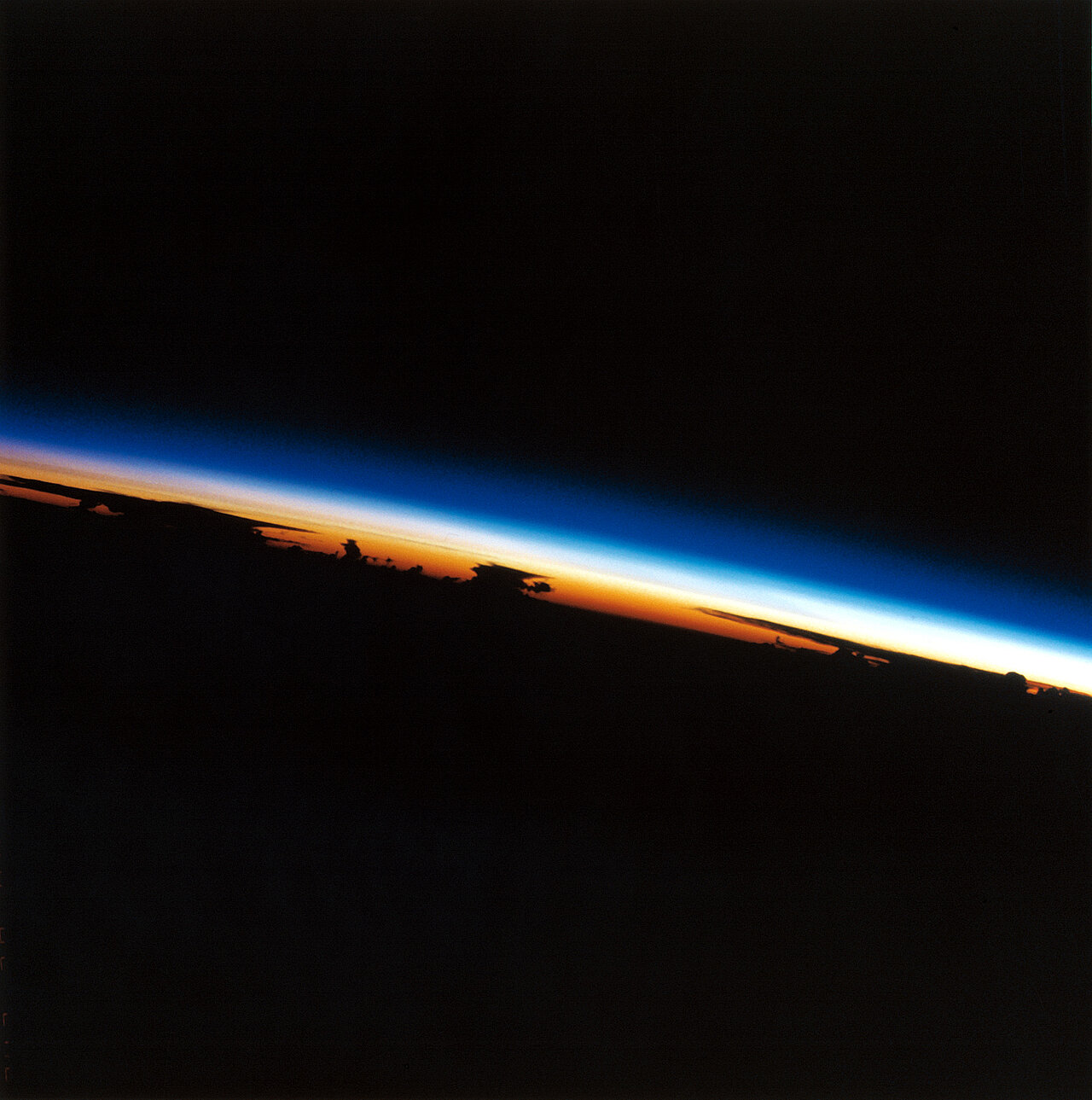
 The major factor controlling stratospheric aerosol variability are volcanic eruptions injecting sulfur directly into the lower stratosphere. Despite large eruptions, episodic and short-lived moderate volcanic eruptions increase the stratospheric aerosol loading thereby affecting climate. In addition, due to their efficiency at cooling the planet, artificial enhancement of stratospheric sulfate aerosols has been proposed as a method of solar radiation management (i.e. ‘geoengineering’) to counteract climate change. Such action, should it take place, will require close monitoring and careful understanding of the fate of stratospheric aerosols.
Wildfires can cause stratospheric perturbations approaching the effect of moderate volcanic eruptions. As the frequency and intensity of the wildfires is expected to increase in the changing climate, they may become a significant contributor to the composition of the Upper Troposphere and Lower Stratosphere (UTLS) in the future.